
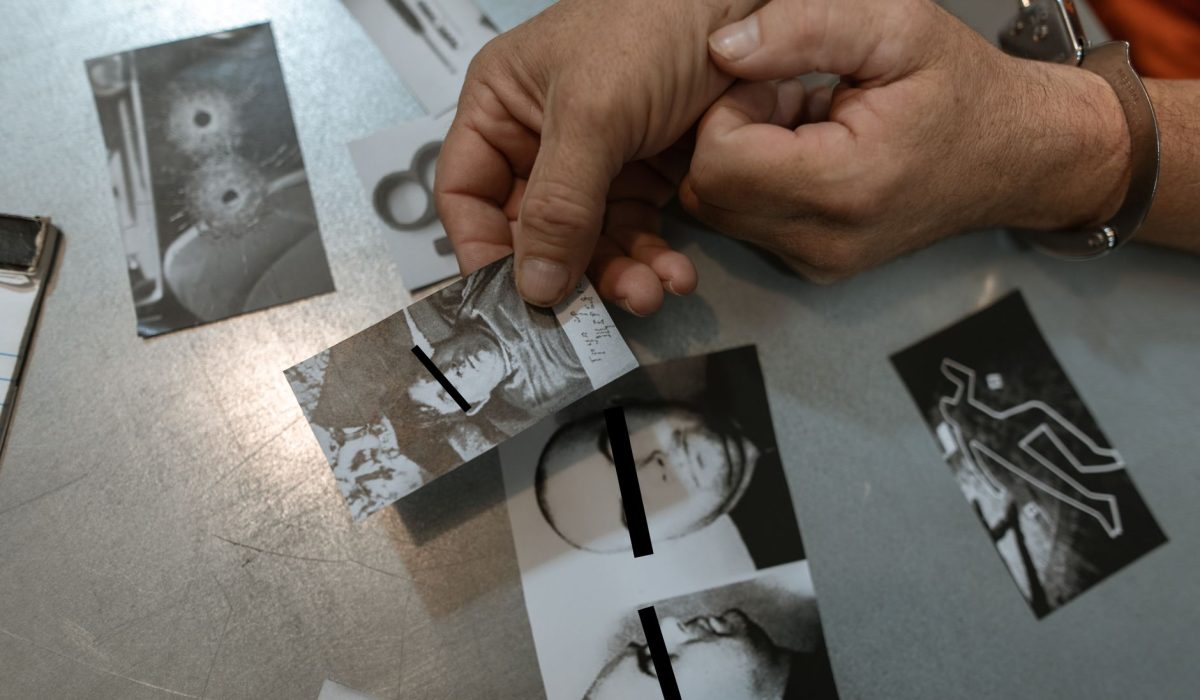
Driving through Washington, DC with a firearm can raise serious legal questions. A gun that is lawful elsewhere may still create problems here. DC has strict rules for firearm possession and transport. Federal law may also apply when your trip crosses state lines. So, what can lead to criminal charges? The answer often comes down to details. Where the gun is stored, whether it’s loaded, and why you’re carrying it can all matter.
A Lawful Gun Can Still Cause Trouble
Owning a firearm lawfully doesn’t give you unlimited freedom to transport it. DC law sets rules for moving firearms within the District. The law generally requires the firearm to be unloaded during transport. The firearm and ammunition also must not be readily accessible from the passenger area. If your vehicle has no separate compartment, a locked container may be required. The glove box and center console don’t count as that separate compartment. It sounds simple enough. Yet traffic stops can turn these rules into a real concern.
When Storage Becomes a Legal Issue
Where you place a firearm can matter just as much as the gun itself. A firearm sitting under the driver’s seat can be easy to reach. That can raise questions about whether it was properly transported. A gun stored in a suitable locked container presents a different situation. Ammunition can also matter. Don’t assume that placing the firearm somewhere out of sight solves every legal issue. Police may look at the whole setup during a stop. That’s why a quick trip across DC deserves some thought before you leave.
A Loaded Firearm Can Raise the Stakes
One major concern is whether the firearm is loaded. DC firearm rules place limits on how guns may be transported. A loaded gun that can be reached from the passenger area can create serious legal trouble. The facts matter here. Police may ask whether the firearm was loaded, where it was stored, and who had access to it. They may also look at the reason for the trip. If the gun was headed to a range, shop, or another lawful place, that purpose may matter. It doesn’t erase the other transport rules, though.
Your Reason for Traveling Can Matter
DC law generally requires firearm transport to have a lawful purpose. The person also must be legally allowed to possess the firearm at the places involved. This can become important during interstate travel. For example, someone may drive from one state to another and pass through DC. Federal law can provide protection for some interstate firearm trips. That protection has conditions. It isn’t a free pass to ignore DC law. The firearm must still meet the rules that apply to the trip.
What About Firearm Registration?
Registration creates another issue for gun owners. DC has its own firearm registration rules. The Metropolitan Police Department provides guidance about registering firearms and meeting District requirements. Registration and transport are different matters. A person may need to meet registration rules and transport rules at the same time. Think of it like a driver’s license and traffic rules. Having a license doesn’t mean every driving move is legal. The same basic idea applies here.
Restricted Places Can Change the Situation
Where you take the firearm can create another problem. DC law restricts firearms in certain places. These restrictions can cover areas such as schools, government buildings, and other listed locations. A person may begin a lawful trip but enter a place where firearm possession is restricted. That can change the legal picture quickly. Before traveling, know both the transport rules and the rules for your destination. If you’re unsure, talking with a DC Gun Lawyer before the trip can help you understand the risks.
Can Driving Through DC Lead to Charges?
Yes, depending on the facts. A firearm-related charge can arise from unlawful possession, improper transport, or other conduct covered by DC law. The exact charge depends on what police allege and what the evidence shows. A traffic stop can become more serious if officers find a firearm. Questions may follow:
- Was the gun loaded?
- Was it properly stored?
- Was it registered?
- Who owned it?
- Who could reach it?
- Why was it being transported?
- Was the person allowed to possess it?
- Where was the vehicle headed?
One small fact can change the case.
Interstate Travel Adds Another Dimension
People are always passing through DC. They could be going from Maryland to Virginia or further down the East Coast. Federal laws may apply if a gun crosses state lines. State laws may also differ from the laws of DC. This makes for a complex mix of regulations. A path that appears safe on a map could go through locations where gun regulations are drastically different. If you’re traveling interstate with a firearm, verify the restrictions before you leave. Don’t assume what works in one state would work here.
What to Do if Police Find Your Firearm
Stay cool. Don’t dispute with authorities or try to explain anything on the roadside. You might ask to speak to a lawyer before answering any specific questions regarding the firearm. If you get arrested, don’t take the charge lightly. A criminal defense lawyer can look at how the cops found the gun. Look at the traffic stop, search, storage technique, registration, other details. We need to know what happened before we can figure out how to defend the case.
How a DC Gun Lawyer May Help
Federal and DC rules can apply to gun situations. They may also raise constitutional difficulties regarding search and seizure. David Benowitz is a criminal defense attorney at the Capital Criminal & DUI Defense Group in Washington, D.C. Mr. Benowitz has a history of defending clients accused of crimes. He is Martindale-Hubbell AV-rated and a member of the National College of DUI Defense. The business aims to provide vigorous criminal defense at reasonable rates. If you are facing charges related to firearms, receiving legal advice as soon as possible can help you understand your options.
Know the Rules Before You Hit the Road
Transporting a gun through DC is not something you should guess about. A loaded firearm , improper storage , unregistered status or prohibited location can cause you major troubles . Even interstate travel has questions under both federal and municipal law. If you are going to travel with a firearm, know the laws first. If you have already been stopped or charged, contact a DC Gun Lawyer about your case. The facts make the proper legal advice. This article is for general information and is not legal advice. Gun regulations can change, and individual instances are subject to other federal or DC rules.
FAQs
1. Am I allowed to drive through Washington, DC with an unloaded gun?
Maybe, however there are tight rules about transport. The firearm must comply with DC criteria for unloading, storage, access and legitimate purpose. Federal law, too, might figure into interstate trips.
2. If my gun is legal in another state, can the police still arrest me?
Possibly. And DC has its own gun restrictions, and those laws can apply when you’re in the District. Just because a firearm is legal in another state does not mean it will instantly meet all DC requirements.
3. Can I carry a gun beneath the seat of my automobile when traveling through D.C.?
This can generate major legal issues, as the gun is easily available. DC law contains explicit provisions regarding the access and storage of guns while transported in a vehicle. In some cases an appropriate lockable container may be necessary.
4. Is my gun protected under federal law while passing through DC?
Federal law offers some protections for interstate travel with firearms. There are requirements to those protections. They don’t imply that all travel through DC is automatically protected.
5. What if I’m arrested on a firearm transport charge in DC?
Don’t take the charge lightly. Get a criminal defense attorney to speak with right away. “Until you get legal advice don’t make any detailed statements about this case. The lawyer can look at the stop, the search, the gun, the storage, the registration and the route of travel.