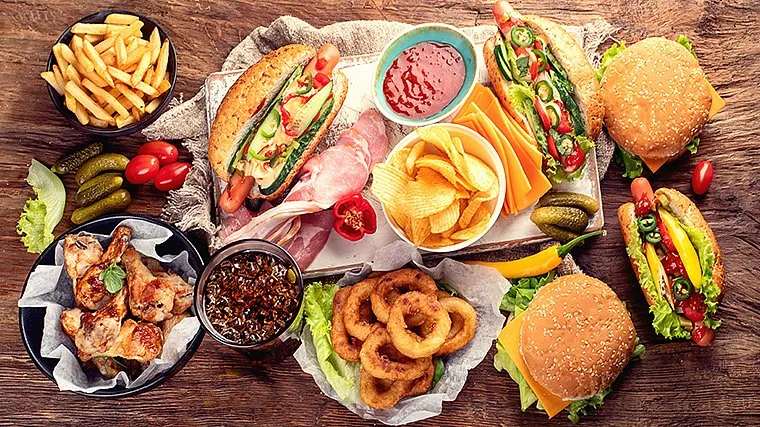
Have you ever walked into a fast food restaurant planning to order a single burger, only to leave with fries, a drink, and maybe even a dessert? You’re not alone. Combo meals have become one of the most successful innovations in the fast food industry, transforming simple purchases into complete dining experiences. They’re convenient, often feel like a better value, and satisfy our desire for variety while making the ordering process easier.
The popularity of combo meals isn’t just about saving a few dollars. It’s rooted in psychology. Our brains naturally seek convenience, balance, and the feeling of getting the most for our money. Just as thoughtful banner design helps draw attention to a promotion, the way combo meals are presented influences our decisions before we even realize it. Carefully arranged menu layouts, appealing images, and bundled pricing work together to make complete meals feel like the obvious choice.
From customizable burger trays to mix-and-match family deals, restaurants understand that consumers enjoy having options without feeling overwhelmed. By combining flexibility with simplicity, combo meals appeal to a wide range of tastes while encouraging customers to create meals that feel uniquely their own.
Why Combo Meals Feel Like a Better Deal
One of the strongest psychological drivers behind combo meals is perceived value. Even when the actual savings are modest, bundling several items together creates the impression of receiving more for less.
Restaurants often price individual items so that purchasing them separately costs slightly more than buying a combo. When customers compare the two options, the bundled meal appears to be the smarter financial decision.
This strategy taps into a behavioral principle known as value framing. Rather than focusing solely on price, people evaluate what they receive in return. A meal that includes a main dish, side, and drink simply feels more complete than ordering each item individually.
The Appeal of Choice Without Complexity
People enjoy having choicesbut not too many.
Research in consumer behavior consistently shows that excessive options can lead to decision fatigue. Faced with dozens of individual menu items, customers may hesitate or feel uncertain.
Combo meals simplify the process by narrowing decisions into manageable steps:
- Choose your main item.
- Select a side.
- Pick a drink.
- Add optional extras if desired.
This structure gives customers a sense of personalization while avoiding the stress of building a meal entirely from scratch.
Variety Makes Meals More Enjoyable
Humans naturally crave variety, especially when eating.
A burger satisfies one craving, crispy fries provide a different texture, and a cold beverage balances the richness of the meal. This combination creates a more satisfying eating experience than consuming a single item alone.
Fast food brands understand this well. Many restaurants continually introduce limited-time sides, specialty drinks, or seasonal desserts that can be added to existing combo meals, keeping the experience fresh without changing the core menu.
The Power of Personalization
Modern consumers increasingly expect products that reflect their preferences.
That’s why customizable combo meals have become especially popular. Instead of accepting a standard meal, customers can often swap sides, upgrade drinks, or choose from multiple entrée options.
Personalization creates several psychological benefits:
- Greater satisfaction with the purchase
- A stronger sense of control
- Increased emotional connection to the meal
- Higher likelihood of returning for future visits
Restaurants benefit as well because customization often encourages premium upgrades and additional purchases.
Why Visual Presentation Matters
Food decisions are highly visual.
Bright menu boards, attractive photography, and strategically placed combo options guide customers toward bundled meals before they even begin reading prices.
Restaurants frequently position their most profitable combo meals at eye level or highlight them with bold colors and large images. These visual cues reduce cognitive effort, making the combo appear like the default recommendation rather than just another option.
The easier something is to notice and understand, the more likely customers are to choose it.
The Role of Convenience in Fast Food Decisions
Convenience has become one of the biggest factors influencing food purchases.
Busy schedules leave many people looking for meals that require minimal thought. Combo meals eliminate multiple purchasing decisions by packaging everything together.
Instead of wondering whether to add fries or which drink pairs best with a sandwich, customers receive a complete meal in one order.
This convenience saves time while reducing the mental energy required to make purchasing decisions.
The Influence of Social Dining
Fast food is often a shared experience.
Friends, families, and coworkers frequently visit restaurants together, and combo meals simplify group ordering by providing familiar, easy-to-understand options.
Family bundles and meal deals also encourage sharing, making customers feel they’re getting more value while reducing the complexity of placing multiple individual orders.
The social aspect reinforces positive experiences that customers associate with certain restaurants, increasing brand loyalty over time.
Marketing Creates Habits
Many people don’t consciously compare every menu item each time they visit a restaurant.
Instead, they develop habits.
After ordering the same combo meal several times, customers become familiar with both the price and the experience. This familiarity reduces uncertainty and speeds up future decisions.
Restaurants reinforce these habits through:
- Loyalty programs
- Mobile app recommendations
- Limited-time combo offers
- Personalized promotions
- Digital ordering platforms
Over time, these repeated interactions make combo meals feel like the natural choice.
How Consumers Can Make Smarter Choices
Understanding the psychology behind combo meals doesn’t mean avoiding them. Instead, it helps consumers make more intentional decisions.
Consider these simple strategies:
- Compare combo pricing with individual items before ordering.
- Choose sides you’ll actually enjoy instead of selecting them simply because they’re included.
- Pay attention to portion sizes.
- Customize your meal to better match your preferences.
- Avoid upgrading automatically unless the additional value is worthwhile.
Being mindful allows you to enjoy the convenience of combo meals while staying within your budget and nutritional goals.
Final Thoughts
Combo meals have become far more than convenient bundles of food. They represent a carefully designed blend of psychology, marketing, and consumer behavior that makes ordering feel easier, more satisfying, and more rewarding.
By combining perceived value, manageable choices, customization, and visual appeal, fast food restaurants create meals that align with how people naturally make decisions. Understanding these psychological principles can help consumers recognize why combo meals are so appealingand make purchasing choices that best fit their preferences, budget, and lifestyle.